By United Workers, IWU-FI section in Portugal
3 December 2025. Why is the strike necessary?
The AD government wants to pass the biggest cuts to workers’ rights since the Troika: easier dismissals, widespread job insecurity, deregulated working hours, and more power for employers over workers’ lives.
Even though the government’s electoral program didn’t include this plan, it didn’t appear “from the sky”; it’s part of a project that successive PSD/PS governments already implemented to lower wages, weaken unions, and make the economy run at the expense of workers.
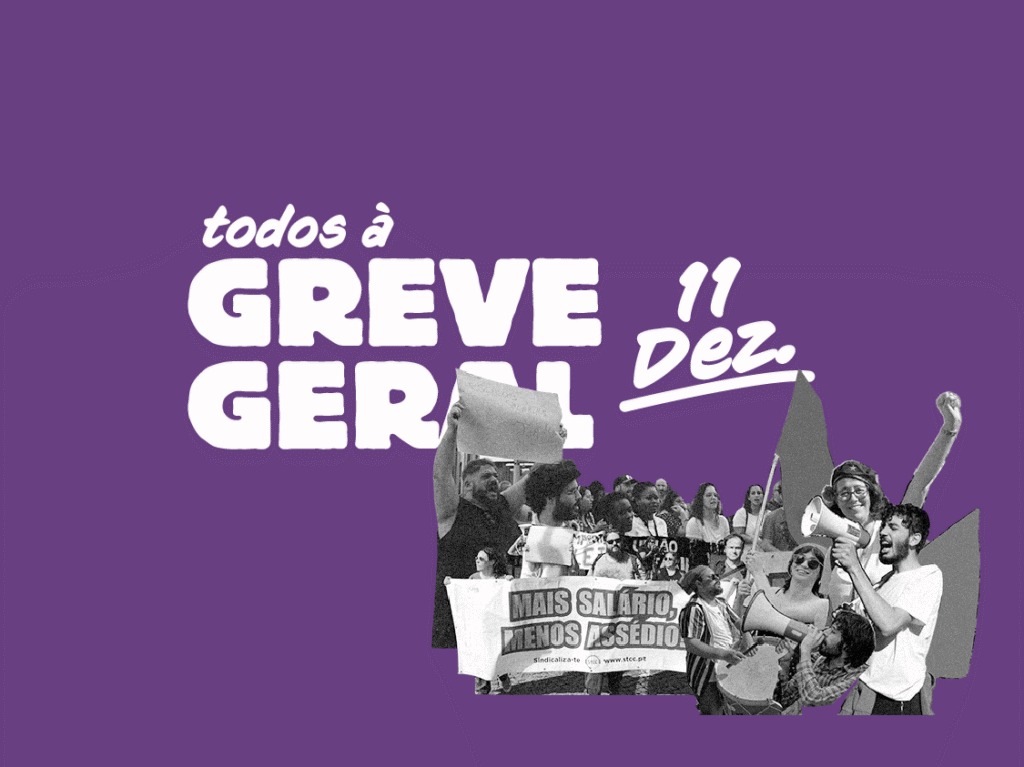
We need a powerful general strike if we want to stop this attack. The government is trying to divide us, promising superficial concessions and negotiating behind the scenes with the UGT, but the essentials remain the same. The strike is justified, necessary, and urgent.
The mere call for a strike forced the government to concede on secondary points and to a broader public debate on the content of this reform, raising awareness of the magnitude of the attack that the Democratic Alliance (DA) is preparing against workers. And the larger the strike on 11 December, the greater our capacity to defeat the labour package.
This general strike will also reveal the accumulated discontent that goes far beyond the labour reform. In a country where outrage is growing over European support for the ongoing genocide in Palestine, many workers will go on strike, carrying this revolt with them: because those who fight for their wages and their rights recognise the struggle of other peoples against oppression.
International solidarity is part of the workers’ tradition, and the defence of Palestine is today one of its most vibrant expressions. It is this same collective force, expressed today to support the Palestinian resistance, that can transform a strike like the one on 11 December into a decisive moment of struggle, capable of halting this attack.
How to Prepare for the Strike (and What Remains to Be Done)
After months of paralysis by the union leadership, a general strike has finally been called. But for the strike to have actual power, simply setting a date is not enough. A general strike capable of halting the labour reform requires a completely different approach than the one being implemented by the CGTP and UGT.
This strike needs to start from scratch by organising in the workplace: have open meetings in every company and department, where workers talk about the current situation and decide what to do.
There is also a lack of a national mobilisation plan and of a large demonstration on the day itself. No union has yet called for a national demonstration on December 11. This weakens the strike: it leaves workers isolated, reduces public visibility, and makes it easier for the government to minimise its impact.
The major unions do not want this plan because they want to control and limit the strike so they can easily leverage in subsequent negotiations. But we still have hope. Workers can still transform this strike!
Five things you can do to strengthen the general strike
- Organise a union meeting or an informal chat, even a brief one. The goal is simple: explain what’s at stake, clarify doubts, and understand the mood in the sector. Even if the union or works council for the sector doesn’t exist or isn’t taking the initiative, any worker can organise the discussion.
- Create a contact group among your colleagues. This could be a WhatsApp or Signal group. It’s useful for exchanging information, clarifying doubts about the strike, and coordinating participation.
- Analyse the impact of the reform on your sector. It’s not enough to talk about the law: explain specifically what changes are happening in the hospital, school, warehouse, factory, store, or office. This increases acceptance.
- Identify those who are hesitant and talk to them. Not everyone accepts it immediately. A frank conversation, focused on the genuine problems in the sector (schedules, job insecurity, pressures, wages), can change positions.
- Organise pickets for the day of the strike. On the day itself, there are always those who decide to join at the last minute. We should organise pickets at the entrance to the workplace, inform undecided colleagues, and encourage those who take part.
After the general strike, it’s important to maintain coordination. The fight doesn’t end on the 11th! Creating contact lists and maintaining discussion groups helps prepare for what’s to come.